

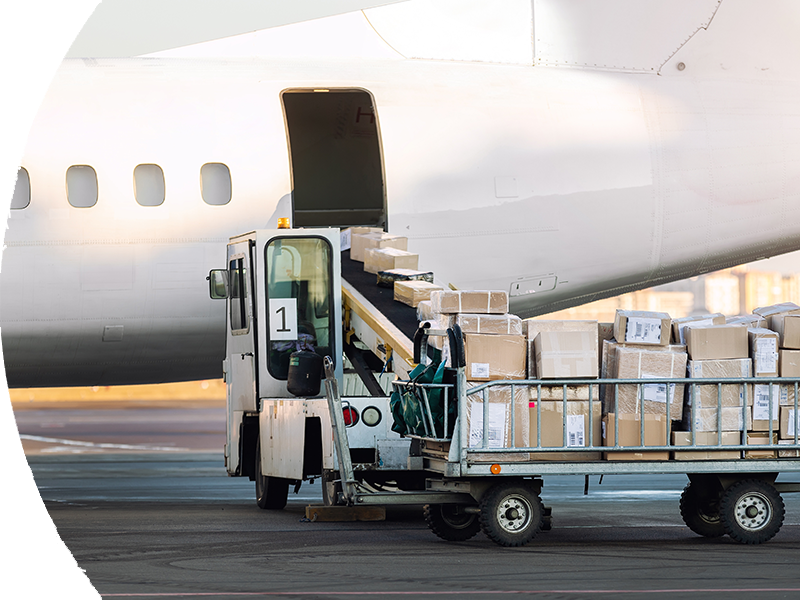
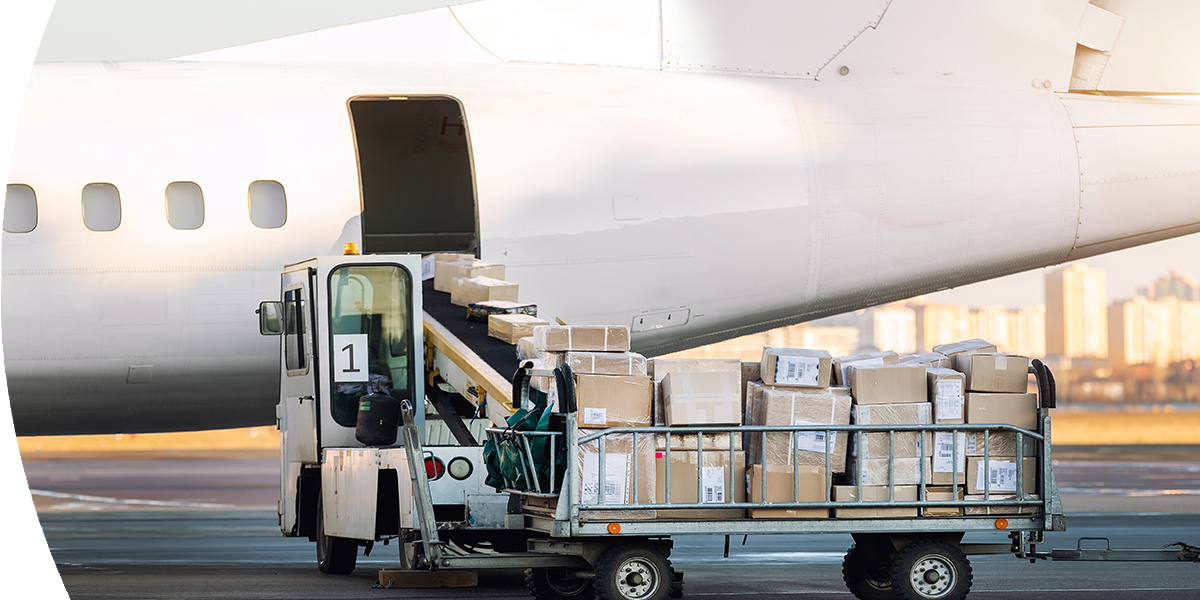
Air cargo services play a vital role in international trade, global supply chains, and just-in-time delivery systems. The term “air cargo” refers to the transportation and shipment of goods by air. Air shipment is more expensive than other forms of transportation, such as ship, rail, or road transport. As a result, air shipment is typically used for time sensitive and/or valuable goods. Examples of goods commonly shipped by air include: fresh produce, flowers, live animals, small electronics, spare parts, and pharmaceutical products. Cargo can be shipped in planes dedicated to cargo shipments or the “bellies” of passenger planes.
During the relevant period, the price structure for air cargo shipments included a “base rate” and various surcharges. Surcharges are extra fees charged by airlines to their shipping customers above and beyond basic rates. Surcharges are typically priced by weight or volume, depending on which is greater. The air cargo class action related to the fuel surcharge (designed to cover the cost of fuel) and the security surcharge (designed to cover increased security costs after 9/11).
Siskinds LLP commenced a class action relating to the alleged price-fixing of the fuel surcharge and the security surcharge between January 2000 and September 2006 on shipments to and from Canada. The defendants involved in the air cargo class action lawsuit included major airlines from around the globe.
The air cargo class action alleged that the defendant airlines participated in a global conspiracy to fix the price of the fuel surcharge and the security surcharge. Specifically, it was alleged that the defendant airlines conspired to implement (and did implement) the same methodologies for calculating the fuel and security surcharges.
Various airlines pleaded guilty to price-fixing around the globe, including in Canada, the United States, Europe, Australia, and South Korea. In Canada alone, nine airlines pleaded guilty and agreed to pay fines totalling over $25 million. These fines highlighted the seriousness of the global price-fixing conspiracy and its anti-competitive impact on the air transportation sector.
In August 2015, the Ontario Superior Court of Justice certified the action as a class proceeding, but found that it did not have jurisdiction over “absent foreign class members” (i.e., class members located outside of Canada who did not opt in to the class action or purchase air cargo shipping services in Canada). In August 2016, leave to appeal certification was denied. In October 2017, the Ontario Court of Appeal overturned the jurisdiction decision, finding that the Ontario court had jurisdiction over absent foreign class members. Leave to appeal to the Supreme Court of Canada was denied. This was an important legal precedent in Canadian class action law, paving the way for other international class actions.
The class included freight forwarders, persons who shipped via a freight forwarder, and persons who shipped directly through the airline.
Air cargo shipments are often arranged through a freight forwarder, a logistical intermediary that arranges air shipment, handles customs documentation, and arranges pickup and delivery. Freight forwarders deal with the non-air aspects of transportation. Typically, smaller customers or consumers purchase through a freight forwarder.
Air cargo shipments can also be purchased directly from the airline. Typically, only large volume purchasers purchase directly from an airline.
Regardless of whether purchased direct or through a freight forwarder, purchasers of air cargo shipping services were allegedly injured by the conspiracy – in that they paid more for air cargo shipping than they would have in the absence of the conspiracy. This unlawful price-fixing increased their cost of doing business and reduced their competitiveness.
Price–fixing conspiracies typically happen in secret, and companies take steps to avoid detection (for example, by not communicating in writing or using code words). These anti-competitive practices violate competition law and can result in severe penalties under both domestic and international statutes. Often, conspiracies are uncovered when one company applies for “amnesty” (protection from criminal prosecution) in exchange for detailing the conspiracy. This case is no different. Lufthansa applied for and received amnesty in multiple countries, including Canada, highlighting the global scope of regulatory oversight in anti-competitive conduct.
Lufthansa was also the first defendant to settle the case. As part of the settlement, Lufthansa agreed to provide cooperation in the ongoing prosecution of the class action, including providing relevant documents and employee interviews. As other defendants settled, they were likewise required to cooperate in the ongoing resolution of class action claims.
Siskinds also retained an economic expert to aid in our understanding of the industry and provide an opinion on certification (the motion where the court decides whether a case can properly proceed as a class action).
Siskinds and their co-counsel pursued the air cargo class action in order to recover fair compensation for businesses and consumers affected by the alleged anti-competitive conspiracy.
As held by the Federal Court in Canada v. Maxzone Auto Parts (Canada) Corp., 2012 FC 1117, price-fixing agreements are “analogous to fraud and theft. They represent nothing less than an assault on our open market economy. Buyers in free market societies are entitled to assume that the prices of the goods and services they purchase have been determined by the forces of competition. When they purchase products that have been the subject of such an agreement, they are effectively defrauded.”
Price-fixing conspiracies result in artificially inflated prices, distorting the market and driving up costs for businesses. These increased costs are frequently passed on (at least in part) to consumers.
Class actions complement regulatory action by holding businesses accountable for their unlawful conduct and obtaining compensation for victims of price-fixing. By pursuing litigation, class action law firms like Siskinds not only seek restitution for affected parties but also reinforce market integrity and deter future anti-competitive practices.
Legal settlements have now been reached with all defendants in the Canadian air cargo price-fixing class action, totaling more than $45 million. There have been two rounds of distribution of settlement funds. The claims deadline has passed and payments in the second distribution (settlements of $16 million) will be issued in the coming weeks.
CBC News reported on the initial distribution of settlement funds: Supreme Court clears way for Air Canada cargo price fixing lawsuit | CBC News. Air Cargo Week similarly reported on the distribution: Settlements approved in Canadian air cargo price fixing class action – Air Cargo Week. Linda Visser of Siskinds LLP is quoted as saying: “We are proud of what we have recovered thus far on behalf of class members. The court-approved protocol we are announcing today is an invitation to eligible businesses and consumers to recover expenses that should not have been billed in the first place.”